Understand your pronation type
Pronation is how your foot rolls inward when it strikes the ground. Neutral pronators can wear most running shoes. Overpronators (feet roll inward excessively) benefit from stability or motion-control shoes with reinforced arch support. Underpronators (feet roll outward) need extra cushioning to compensate. A simple wet-foot test on paper can reveal your arch type as a starting point.
Cushioning levels
Minimalist shoes offer a more natural, ground-connected feel and suit experienced runners with efficient form. Maximalist shoes with thick, plush midsoles reduce impact stress and are better for beginners or runners logging high weekly mileage. Most everyday runners are best served by a moderate, "daily trainer" level of cushioning.
Fit and sizing for running
Running shoes should have a thumb's width of space at the toe to accommodate foot swelling during longer runs. The midfoot should feel locked in without pressure points. Always try running shoes on with the socks you actually train in, and shop in the evening when feet are at their largest.
When to replace them
Most running shoes lose meaningful cushioning after 500-700 km, even if the outsole tread still looks fine. Track your mileage or replace them every 6-8 months with regular use — worn-out cushioning is a common, overlooked cause of running injuries.
Shop the Products
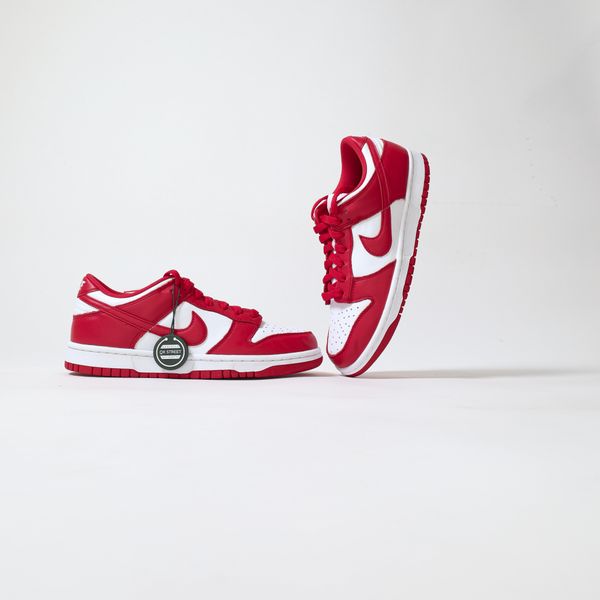
Breathable Mesh Runners
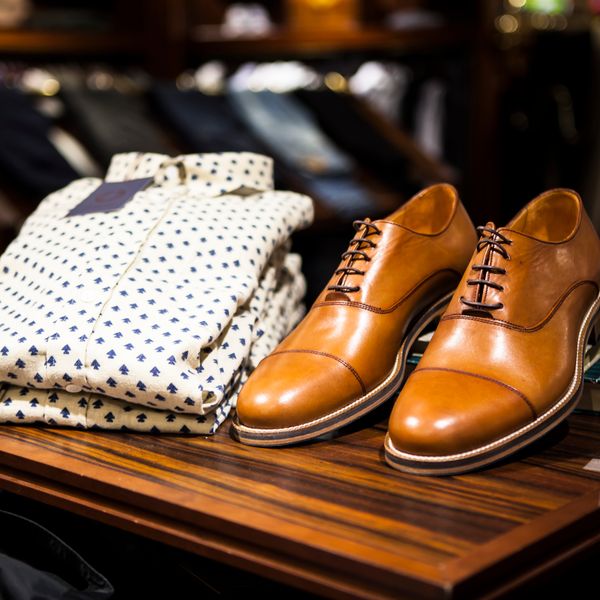
Men's Leather Derby Shoes
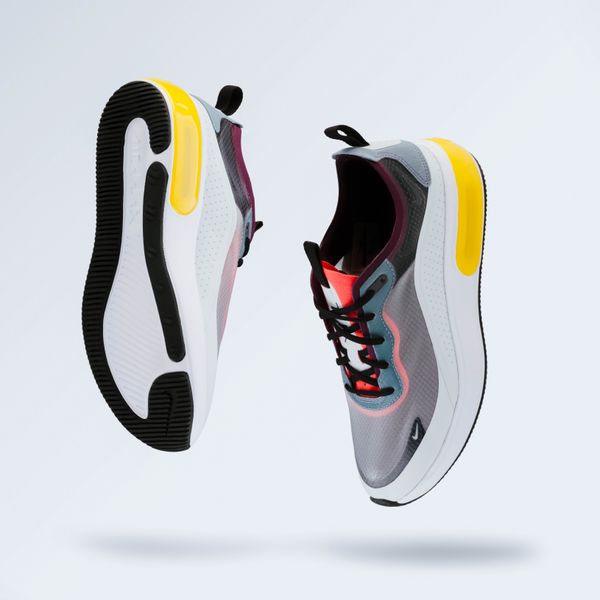
Men's Casual Sneakers